
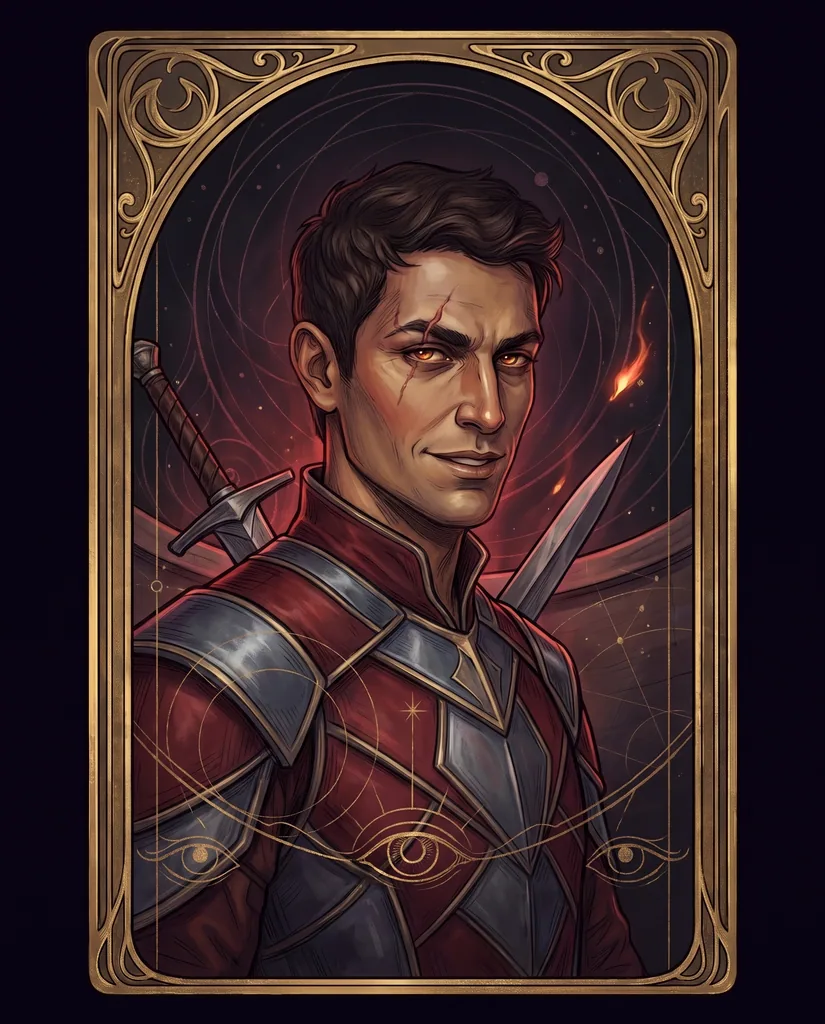
The Challenger
Duelist personality type
Runs at the hard problem everyone else is avoiding.
These are the engine’s matching targets, not a score for any person — the Duelist’s signature targets 88 on Command.
You run at the thing everyone else is edging around. Pressure sharpens you, conflict doesn't spook you, and you'll say the uncomfortable sentence the room is quietly hoping someone else will. You respect a real push-back more than easy agreement, which makes you the one who breaks a stalemate — and, on a bad day, the one who wins the point and loses the person. Softening a stance to keep the peace isn't in your instincts, so your growth lives in the moments you choose to win someone over instead of simply winning.
What is the Duelist personality type?
The Duelist is a high-Command, low-Harmony competitor: they run toward the hard problem everyone else is avoiding, say the uncomfortable thing the room needs to hear, and thrive in high-stakes, performance-driven arenas. The pattern is defined as much by its very low Agreeableness as its very high Assertiveness — Duelists are not just decisive, they're deliberately unwilling to soften a position to preserve comfort.
Top strengths
- Thrives on competition, pressure, and high-stakes calls
- Says the uncomfortable thing the room needs to hear
- Fast and decisive; unintimidated by conflict
Blind spots
- Can bulldoze relationships to win the point
- Mistakes every disagreement for a contest
- Low patience for feelings and consensus-building
Ideal environment
Stress trigger
Communication style
Party role
Subclasses
First through the door, every time.
You lead the charge from the front — loudest, boldest, first through the door.
Takes the hit and keeps coming.
You take the hit without flinching — and without losing much sleep over who you upset holding the line.
Finishes what the moment demands.
When it's on the line, you lock in and land it.
Fights their own fight, their own way.
You'd rather win alone than compromise to win with a crowd.
Level-up quests
- Win someone over instead of beating them
- Ask a question before firing your counterpoint
- Let one small thing go un-won
Frequently asked questions
What are the Duelist's strengths and blind spots?
Duelists are fast and decisive, unintimidated by conflict, and genuinely valuable when a group needs someone to charge first and break the stalemate. The blind spot is real: they can bulldoze relationships to win the point, mistake every disagreement for a contest, and have low patience for the feelings and consensus-building that sustained teamwork requires.
How rare is the Duelist?
The Duelist's pattern — very high Assertiveness alongside very low Harmony — is a distinctive combination. High drive is common; pairing it with genuinely low agreeableness AND emotional stability under pressure makes the full alignment less frequently seen than either trait alone.
What's the difference between the Duelist and the Strategist?
Both are decisive and high-Command, but the route diverges sharply. Strategists plan first and act from a sequenced position; they carry moderate Harmony and use social intelligence as part of the strategy. Duelists are low on Harmony and act immediately — they win in the room, in the moment, and they're willing to leave a bruise. The Strategist plays the long game; the Duelist wins the duel.
Is the Duelist based on real psychology?
The underlying traits — Assertiveness/Command and Agreeableness/Harmony — are dimensions measured by well-validated, public-domain IPIP Big Five instruments. The 'Duelist' class is an original interpretive label and not a clinical type; the quiz is for self-reflection and communication, not a clinical or hiring assessment.
Compare the Duelist
The classes people most often weigh the Duelist against — its closest signature neighbors, compared trait by trait with the engine’s real numbers.
Keep exploring
This is a playful interpretation of a trait pattern, for self-reflection — not a clinical diagnosis or a claim that anyone “is” this class. Your real result depends on your own answers.